
Cellular Das System in Houston Strategies for Improving Coverage Without Overloading Existing Network Infrastructure
 admin
7 min read
admin
7 min read

Key Points:
- Site surveys help identify real indoor coverage gaps before DAS planning begins.
- Dedicated DAS pathways can protect existing business network capacity and performance.
- Balanced RF design helps prevent weak zones and excessive signal overlap.
- Antenna placement should reflect measured need, not a fixed equipment count.
- Scalable infrastructure makes future tenant and coverage changes easier to manage.
- Spare equipment space can reduce costly rebuilding during later network expansion.
- Busy-period testing can reveal issues that quiet building conditions may hide.
- Clear baseline records make future troubleshooting faster and more focused.
- Regular reviews help keep cellular performance aligned with changing building needs.
Houston commercial buildings often struggle with indoor cellular coverage even when outdoor service is strong. Concrete walls, steel framing, coated glass, elevators, parking levels, and deep interior rooms can weaken signals before they reach users. At the same time, offices, hotels, medical sites, and warehouses may have hundreds of phones active during busy hours. Poor planning can leave teams with dropped calls, slow data, and uneven service across important work areas throughout the property each day.
Improving coverage does not mean placing more equipment everywhere or forcing extra traffic through the existing business network. A better plan starts with signal testing, building use, carrier needs, cable paths, power, and future growth. When those details are reviewed together, teams can improve indoor service while protecting the network systems already supporting daily work. The result is a cleaner upgrade path with less rework, fewer bottlenecks, and more reliable cellular access.
Cellular Planning Starts with Real Site Conditions
A well-planned cellular DAS system starts with understanding where coverage fails and why. Technicians can measure outdoor and indoor signal levels, compare carrier performance, and map rooms where calls or data sessions drop. They should also look at busy zones such as lobbies, meeting floors, garages, loading areas, and interior offices. This gives the design team real evidence instead of forcing them to guess where antennas or supporting equipment should go.
The survey should also show how the building is used during a normal day. A quiet storage floor may need less support than a training area that fills with 150 people every morning. Device use, tenant activity, and visitor traffic can change quickly between floors. Matching signal readings with real activity helps teams focus the project on areas that need help most, rather than spending money on spaces that already perform well.
Protecting Existing Network Capacity During DAS Upgrades
Existing business networks often support Wi-Fi, phones, cameras, access control, cloud tools, and other daily systems. A cellular coverage project should not create new pressure on those resources without a clear reason. Designers can review rack space, power, cable routes, fiber capacity, and equipment rooms before work begins. Where practical, dedicated DAS pathways and hardware can keep the cellular project organized and reduce the risk of affecting unrelated business traffic.
This separation also makes troubleshooting easier later. If cellular coverage changes, technicians can check the DAS equipment without first sorting through unrelated switch ports or data cabling. For example, a ten-floor office may already have crowded telecom rooms before a new tenant moves in. Reserving space and clear cable paths during the first design can prevent that tenant expansion from turning into a larger network rebuild only six months later.
Distributed RF Design That Keeps Signal Levels Balanced
RF design turns survey results into a clear plan for signal strength, antenna locations, and equipment levels. Engineers review carrier signals, floor layouts, cable distances, and building materials before setting targets for each area. A cellular distributed antenna system works best when both strong and weak zones are understood together. This helps the team avoid pushing too much signal into one floor while another important area remains difficult for users.
Balanced design also considers both downlink and uplink performance. A phone may receive data clearly but still struggle to send information back to the network. That can cause failed calls, delayed uploads, or unstable mobile sessions. Clear RF targets give installers something practical to test after equipment is in place. They also make later troubleshooting faster because technicians can compare new readings with the original design instead of starting from scratch.
Distributed Antenna Coverage for Difficult Indoor Zones
A cellular distributed antenna system can spread usable carrier signals through several planned coverage points instead of depending on one strong source. This approach is useful in large properties where concrete, steel, and long indoor paths break up outdoor service. Antennas can be placed closer to users in difficult areas, helping calls and mobile data stay more stable as people move between offices, hallways, garages, and other connected parts of the building.
Placement should be based on measured need, not a fixed antenna count. Too few antennas can leave weak zones, while too many can create overlap and raise project cost. Designers need to consider wall materials, ceiling height, cable loss, and how nearby coverage areas interact. The benefit is more even indoor service, although careful tuning is still needed to keep one coverage zone from creating problems for another during busy periods.
Cellular DAS Scalability for Future Building Changes
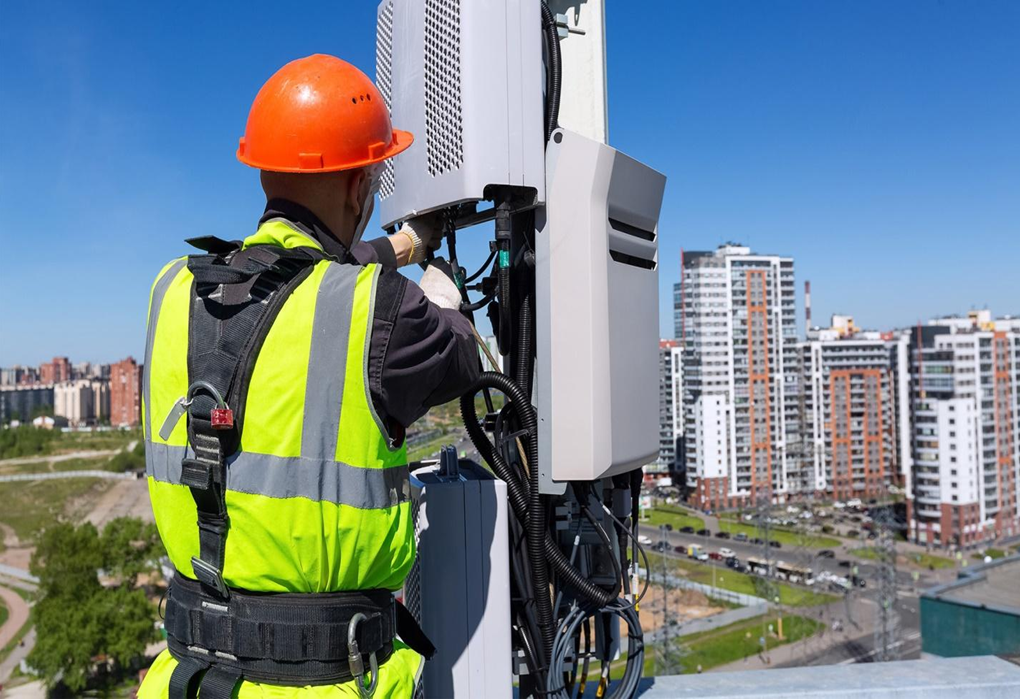
A scalable cellular DAS system should leave room for future changes without requiring every major component to be replaced. Houston properties may add tenants, increase staffing, expand into another floor, or rely more heavily on mobile tools over time. Planning spare equipment space, accessible pathways, and practical expansion points gives owners more options. It also helps them add coverage where demand grows instead of reopening finished areas across the entire property.
Scalability should be realistic rather than excessive. Overbuilding every floor can waste budget, while planning no spare capacity can make later upgrades costly. A useful approach is to identify the areas most likely to change and prepare those locations first. For example, a warehouse expecting a new loading operation within 12 months may reserve pathway space near that zone now, avoiding major ceiling work when extra coverage is needed later.
Testing That Protects Coverage and Existing Infrastructure
Testing should happen under conditions that reflect normal building use as closely as possible. Technicians can check signal quality, calls, mobile data, and movement between coverage areas in offices, garages, corridors, and shared spaces. Busy periods are especially useful because they may reveal issues that do not appear in an empty building. Pre- and post-installation testing also gives property teams a clear record of what changed and whether the project met its goals.
The network should also be reviewed after major building changes. New walls, heavy doors, tenant improvements, or moved equipment can affect how cellular signals travel. Keeping floor plans, antenna locations, equipment details, and test results together makes future checks easier. If complaints appear later, technicians can compare new readings with the original baseline and focus on the affected area instead of making broad changes to equipment that may still be working correctly.
Conclusion
Improving indoor cellular coverage without overloading existing infrastructure requires careful choices at every stage. Site surveys identify the real problem, distributed coverage brings signals closer to users, RF design keeps performance balanced, and dedicated pathways help protect other business systems. Testing then confirms that the design works in real spaces. When these steps are planned together, Houston properties can improve connectivity while keeping future growth, maintenance, and operating costs easier to manage.
CMC Communications supports Houston commercial properties with cellular DAS design, engineering, installation, and pre- and post-installation testing. Their team can review carrier signals, building conditions, equipment space, pathway needs, and future growth before recommending a practical approach. By matching coverage goals with the existing infrastructure, they help owners improve indoor voice and mobile data service while reducing unnecessary changes to working network systems and keeping later upgrades easier to plan.
Frequently Asked Questions
Question: How can teams tell whether indoor coverage needs a DAS upgrade?
Answer: They can start with a site survey that compares outdoor and indoor signal levels, carrier performance, and user complaints. Testing should include busy areas, garages, interior rooms, and movement between floors. The results show whether the problem comes from weak coverage, limited capacity, or another part of the building.
Question: Can a DAS project affect the existing business network?
Answer: It can if planning ignores shared space, power, pathways, or equipment rooms. A careful design reviews those limits first and uses dedicated resources where practical. This helps the cellular project avoid creating new pressure on switches, data cabling, or other systems that already support daily business work.
Question: Why is antenna placement important in large commercial buildings?
Answer: Antenna placement controls how evenly cellular signals reach users. Poor spacing can leave weak areas or create too much overlap. Designers should consider building materials, cable loss, room use, and traffic patterns so each antenna supports the right area without creating problems for nearby coverage zones.
Question: How should Houston properties prepare for future cellular demand?
Answer: They should plan accessible cable routes, spare equipment space, practical expansion points, and clear records from the start. It also helps to review expected tenant growth, new mobile tools, and busy areas. This allows later upgrades to stay focused instead of requiring major changes across the whole property.
Question: When should indoor cellular performance be tested again?
Answer: Retesting is useful after major renovations, tenant changes, equipment moves, or a clear rise in complaints. Regular checks can also show whether signal conditions or device demand have changed over time. Comparing new results with the original baseline helps technicians find the cause faster and avoid unnecessary replacements.